A key that is hard to turn does not, on its own, tell you which part to replace. Describe when it fails and stop forcing the mechanism.
If the key starts resisting, stop applying force. Do not add leverage or try to straighten it inside the lock. Do not close the door to reproduce a fault that could lock you out. Agree with the professional how to maintain safe access until it is resolved.
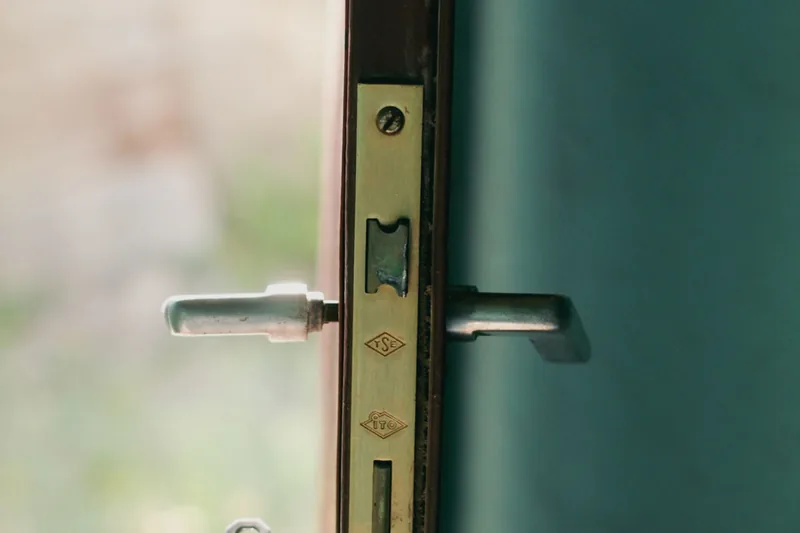
Describe which movement fails
Distinguish inserting the key, turning it, removing it and moving the handle. ‘It is hard to remove the key after locking’ gives a different clue from ‘the key turns but the locking mechanism does not move’. Also note whether it always happens or began after an impact, building work or a part replacement. You do not need to dismantle anything to explain these differences.
The cylinder recognises the key; the lock moves the locking mechanism. TESA's catalogue distinguishes transmission from the key and installation conditions. Describe whether the problem occurs when inserting the key, turning it or closing the door. These observations help you request an inspection, rather than choose a replacement blindly.
Do not turn maintenance into random testing
Look for the make and model in documents you already have. Follow that product's cleaning or lubrication instructions, rather than a remedy for a different lock. The TESA sheet consulted advises against mineral oils and graphite for its cylinders. Do not apply one instruction, product or interval to every manufacturer.
A bent key, loose part or visible damage is reason to stop testing. If you still have normal, safe access, arrange an inspection. If you cannot get in, you need another route to assistance: a scheduled request does not resolve an immediate lockout.
Provide a description that can be checked
Simply state which door it is, which side the problem occurs from, which movement meets resistance and whether you can enter and leave. A photo of the whole door may help; avoid showing the key's cuts, security codes or details identifying your address. Do not publish a detailed key image to ask what is wrong with it.